Hunting Rifles & Shotguns
8 Best Knife Steel For Hunters
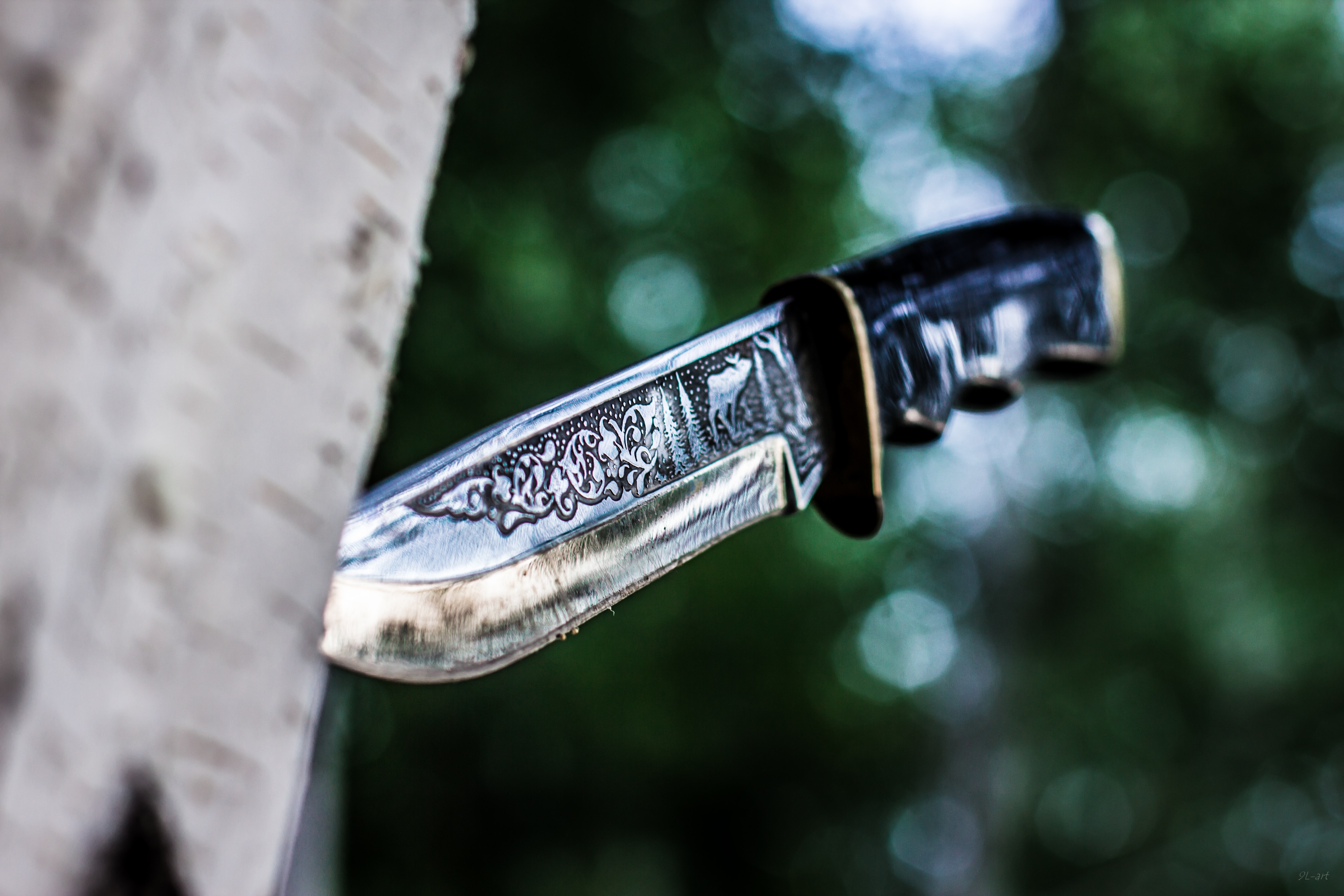
Every outdoorsman knows that to succeed in the wilds you need to have the best tools for the job. Your knife can make or break you when you’re out hunting or fishing, so you need to choose carefully. This roundup of some of the different steel alloys used in hunting knives will help you to make informed decisions the best knife steel for you the next time you’re buying a hunting knife
Comparison Table
Product FAQ
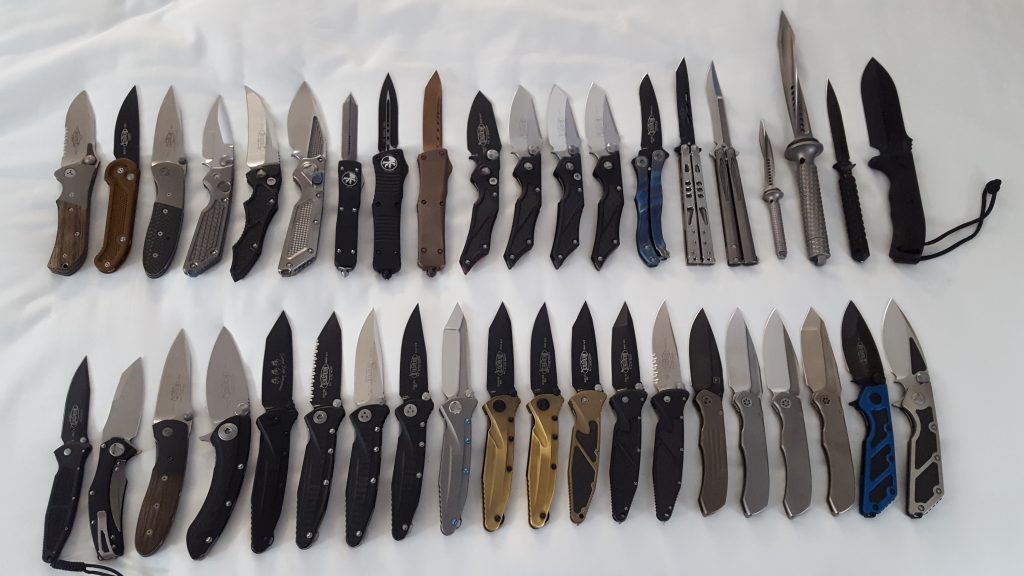
Image Source: Unsplash.com
1. Why Does a Knife’s Steel Make a Difference?
There are a whole range of steel alloys out there. Some are tougher, some are lighter, and some are more resistant to corrosion. There are a range of outstanding steel alloys used in good hunting knives, but the best knife steel for you will depend on what you want to use the knife for. A good steel can make an expensive knife worth the money. But conversely, you should view manufacturers who do not advertise the steel used in their hunting knives with suspicion, as they may be producing a low-quality product.
2. What Should I Consider in Looking for the Best Knife Steel?
The three most important things for you to consider when buying a hunting knife are its hardness and durability, its sharpness and edge retention, and its corrosion resistance. You want a harder blade that will not bend, but you do not want a knife that is so hard that it could become brittle. You need a blade that will keep its edge despite repeated use, and this is often achieved by a higher carbon content in the steel alloy. Finally, you need to consider whether you are able to maintain your blade and prevent rust.
3. What Are the Benefits of Stainless Steel?
The most obvious benefit of a stainless steel blade is that it will not rust. The stainless steel alloy usually contains chrome and vanadium, which resist corrosion. Though it is possible that your stainless steel hunting knife will rust if it is severely neglected, it is extremely unlikely. This makes a stainless steel alloy the best knife steel choice for fishermen and hunters in very humid environments. The disadvantage to a stainless steel knife is that it can be harder to maintain a really keen edge to the blade and more difficult to sharpen it.
4. What are the Benefits of Carbon Steel?
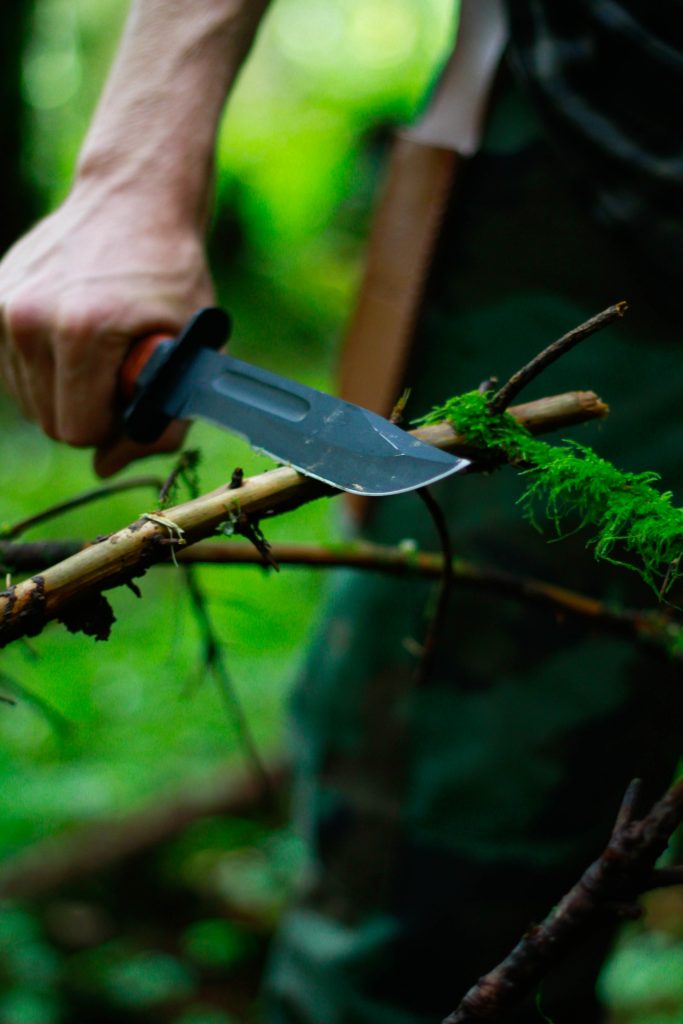
Image Source: Unsplash.com
Carbon steel tends to make a harder blade than stainless steel and has a much greater period of edge retention. As carbon steel is harder, the steel can be brittle if the knife is too thin, so carbon steel blades are often slightly heavier than stainless steel. This type of alloy is the choice for you if you want your blade to remain sharp for a long period of time in between sharpening. However, the downside of a carbon steel blade is that it will require more maintenance in order to prevent corrosion, as it will need to oiled regularly to resist oxidization.
5. What Else Should I Consider?
You will need to consider the needs you will have in the field before making a decision about the best knife steel for you. A fisherman will have very different needs to a hunter of big game. A hunter dressing a deer will require a different knife from one dressing a rabbit or fox; the bigger the game, the harder the blade that is required. Additionally, though a stainless steel blade may be perfect for a day hunt or one lasting over a couple of days, for a multi-week hunting trip, hunters may need the edge retention of a carbon steel blade.
In addition, the steel of the blade is not the be-all and end-all of a knife. Other factors, such as the way that the metal is forged and heat-treated, will affect the durability and toughness of the knife. You will want to check out how an individual knife has been made and how well it is reviewed before purchasing.
How We Reviewed
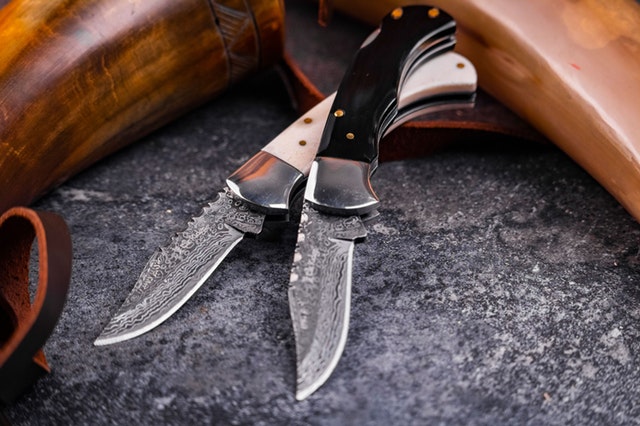
Image Source: Pexels.com
We reviewed a range of stainless and carbon steel alloys, and have provided you with a roundup of their features and durability level, and included a list of pros and cons. We have also specified the average price for a knife made with that type of steel, and a link to a hunting knife made with that steel type.
Overall Price Range of This Product (and Similar Products)
Products made with the steel alloys we reviewed ranged significantly in price between around $20 to nearly $400. However, the best knife steel is not necessarily the most expensive, as there are many factors influencing the final price of a hunting knife.
What We Reviewed
- 80CrV2
- 7CR17MoV
- 15N20
- AUS–8
- 52100
- 14C28N
- 8670
- 440C
80CrV2
Features
This carbon steel alloy is very well reviewed. Though it can be prone to corrosion, it is not any more prone than most carbon steels, and the steel can be maintained either with regular polishing or by forcing a patina. The steel is very hard and is unlikely to chip or buckle even when doing heavy work with the blade. In addition, the steel has very good edge retention.
PROS
- Tough springy alloy
- Good edge retention
CONS
- Needs maintenance to avoid corrosion
Price
Products made form this steel alloy can be found on Amazon from around $30.
WHERE TO BUY
Durability
This steel makes for a very durable blade.
7CR17MoV
Features
This steel is often used in the making of budget survival knives; however, that does not mean that it is not a good steel. 7CR17MOV is a type of 440A stainless steel that has been especially modified to contain more vanadium than other steels. The high vanadium content gives increased toughness to the steel as well as increased overall strength and wear resistance. This steel also retains its edge for a surprising length of time.
PROS
- High carbon high vanadium alloy
- Tough
- Durable
- Retains edge well
CONS
- Often used in cheaper knives
Price
This product can be found on Amazon from around $20.
WHERE TO BUY
Durability
This steel, though often inexpensive, makes durable and tough blades suitable for heavy use.
15N20
Features
This high nickel stainless steel is very tough and durable, especially at high temperatures. These qualities mean that it is also commonly used in bandsaw and circular saw blades. 15N20’s durability and attractive shine mean that it is often used as one of the components in Damascus steel blades. Damascus steel is forged by building up layers of shiny and dull steel to give the finished blade a pattern within it like rippling water.
PROS
- Tough
- Durable
- Used in Damascus steel
CONS
- Holds its edge less well at room temperature
Price
Products made with this steel alloy can be found on Amazon for around $80.
WHERE TO BUY
Durability
Users of knives made with this steel state that they are very durable.
AUS–8
Features
AUS-8 is one of the cheaper steel alloys, but it nevertheless makes good blades. Users note that though it is less good at retaining its edge, it is easy to sharpen. In all areas it performs at around an average level. This is not the best knife steel for those for whom edge retention is a deal breaker, but is likely to make a good knife for someone wanting a knife able to do most things, especially if they are on a budget.
PROS
- Inexpensive
- Widely available
CONS
- Doesn’t retain its edge very well
Price
Products made with this steel alloy can be found on Amazon starting at around $20.
WHERE TO BUY
Durability
Though the steel itself is durable and tough, this alloy does not retain its edge for very long after sharpening.
52100
Features
This is a carbon steel alloy which is often used for making small fixed-blade knives. It makes a good slicing or fine angle blade and is easy to sharpen, meaning that it is frequently used in kitchen knives. Users of knives made out of this steel speak highly of its toughness and edge retention. Another benefit to this steel alloy is that it has been around for a while and continues to stand the test of time.
PROS
- Easy to sharpen
- Good edge retention
CONS
- Not often used in folding blades
Price
Products made with this steel alloy can be found on Amazon for around $20.
WHERE TO BUY
Durability
This is a highly durable steel.
14C28N
Features
This alloy, manufactured by Sandvik, is ideal for hunting blades. The steel is very hard but without compromising the durable structure of the steel, making knives manufactured form this alloy suitable for the toughest tasks. This alloy tends to be used in high-end knives and often comes at a premium price. However, its edge retention, strength, and resistance to corrosion even by salt water make the financial outlay worth it if you want a blade of really fine quality.
PROS
- Hard
- Very durable
- Retains sharpness well
- Easy to sharpen
CONS
- Not suitable for hacking knives or machete type blades
Price
Products made with this steel alloy can be found on Amazon for around $370
WHERE TO BUY
Durability
This steel is very durable and knives made with it are unlikely to chip or roll at the edge, even when put to heavy use.
8670
Features
This high quality carbon steel is used extensively in the lumber industry, where it is used in the composition of large circular saw blades. It contains nickel which adds toughness, and carbon which makes the blade keep its edge for a longer period of time. A knife made with 8670 will hold an edge for a long time and will also be tough and corrosion resistant. 8670 makes a good everyday working knife and will not let you down in the field.
PROS
- Tough
- Good edge
- Easy to sharpen
CONS
- Not used in many knives
Price
Products made with this steel alloy can be found on Amazon for around $50.
WHERE TO BUY
Durability
8670 steel makes a very durable knife.
440C
Features
This is often hailed as the best knife steel by custom knife makers. 440C is a stainless steel alloy with a high chromium content which can be polished to a dazzling mirror-shine. It is similar to the alloy 1095, but though it contains more carbon (making a harder steel), it is also more resistant to corrosion than 1095. This steel is highly resistant to wear and has a good length of edge retention. This steel does make for a rather heavy blade though, so it is often used in folding knives where the blades are not so large.
PROS
- Tough
- Corrosion resistant
- Good edge retention
CONS
- Comparatively heavy
Price
Products made with this steel alloy can be found on Amazon for around $80.
WHERE TO BUY
Durability
This is a very durable knife steel, able to keep an edge longer than almost any other of the stainless steel alloys.
The Verdict
Image Source: Unsplash.com
Knife enthusiasts can argue all day about types of steel, but much opinion just comes down to personal taste. Don’t forget that the steel used to make a knife is just the beginning, and you will have other factors that you need to consider before making a purchase.In the category of carbon steel the best knife steel may be 80CrV2, because it can be used to make a tough springy blade that retains its edge well. If you’re going on a long trip and need something to keep its edge over several weeks, then you’ll want to consider this excellent carbon steel alloy. In the category of stainless steel, the best knife steel may be the 440C, which combines toughness, edge retention and corrosion resistance in a steel that can be polished to an attractive mirror-shine. If you are looking for a good hunting knife, one made from either of these alloys may be a good place to start.
Featured Image Source: Unsplash.com